We know we should test the knot after we tie it in our fishing line and leader and 99 times out of 100 we do. Then we get rushed or get lazy, don’t give the yank, and moments later break off a fish. We know the plastic is sliding down on the head every other cast but rather than replace it we shove it back up and take another shot. Again and again and again before finally ripping it off and getting a new one. We know to wait for the right gaff shot but see a maybe-iffy opportunity, take it, and knock the fish right off the hook. Ugh. There’s a lot of stuff we anglers know but sometimes fail to act on, and the net result is a lost fish. But there’s also a lot of stuff we don’t know. No one angler knows everything, of course, and different people fishing for different species with different tactics have different holes in their knowledge. But there are a few items that many of us recognize, yet fail to capitalize on. You say you want to catch more, bigger fish? Then make sure you listen to yourself the next time you think:
“My electronics can do that, but I don’t know how.”
Example number one: you see a fantastic piece of structure on the fishfinder. You know you’ll want to go back to it, but you didn’t see it soon enough to make a mark on the chartplotter. You know that with a few swipes on the fishfinder screen you can still make that happen with pinpoint accuracy. But, how? I experienced this almost immediately after upgrading to a Humminbird Apex 16 a few years back, and as I circled back, tried to follow my own trail on the GPS, and missed the mark, I had no one to blame but myself. Later back at the dock I learned I could merely swipe back in the history then touch the screen on the structure itself for a few seconds, and a waypoint screen would pop up so I could select an icon to plot to. Uber simple—and something I should have known how to do.
Example number two: There’s a 200-yard stretch of potentially productive bottom and zero breeze. I drop down the Minn Kota Terrova on the bow, set speed to two, and ease along slowly while the anglers on my boat cast. Wait a sec—I want to take a few casts, too! But steering is wonky at such slow speeds and while occupied by steering, I can only get in a quick shot here and there. I think there’s a way to tell the Minn Kota to hold this heading all on its own, but—you guessed it—I’m not sure how. While puzzling the matter I Google it up on my phone and learn I can tap the chartplotter screen on the Apex, press the “Go To” button, and from there on out the system will do all the steering while I cast to my heart’s delight.
These two simple examples were real-world experiences I went through immediately after switching to new systems, which reminded me what I ultimately needed to do: Spend a full day, at least, not fishing, but instead just playing with the new systems and trying out different functions. The next week I set aside some time dedicated purely to learning and practice. If you haven’t done so yet, you’ll probably agree that you should.
“The right knot for this job is an XYZ… I should learn how to tie that one.”
Armed with a handful of basic knots, the average angler can address 90-plus-percent of the situations you’re likely to encounter. Use the fisherman’s or a loop knot to attach a lure to leader. The surgeon’s, FG, or uni-to-uni will get you through line-to-leader connections. A palomar or a berkley braid works for attaching braid line to hardware. And knowing how to tie a spider hitch, a surgeon’s end loop, or a perfection loop means you can put a loop in the end of the line.
You don’t need to know all of these knots—but you certainly should know at least one that addresses each different need. Again, all it takes to do what you know you should do is dedicating a little bit of time to learning.
“I know I should properly scale-set my drags, but feeing with a tug is probably good enough.”
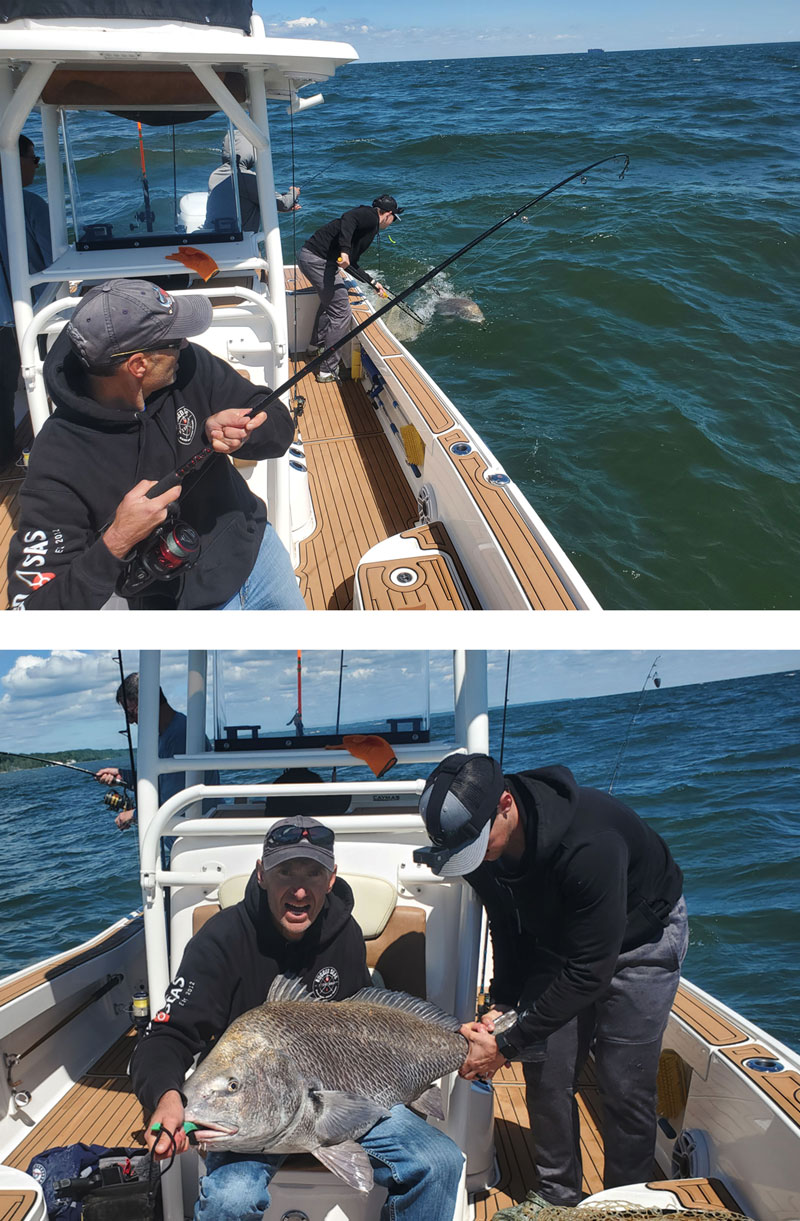
Probably good enough is only good enough until you lose that fish of a lifetime because you broke it on a drag that was too tight, or couldn’t get it to the boat fast enough because the drag was too loose. This is something we’ve harped on before, yet it’s outrageously rare to hear “yes” if you ask someone if they’ve ever scale-set a drag. So here’s a challenge: set up a scale right now, grab a rod off the rack, tie a swivel or ring on the end of the line, and pull. Just about all the pros agree that drags should be set to between 25 and 30 percent of the mainline’s breaking strength (with some exceptions for specific fisheries and situations, of course).
Now, what did you just discover? In all likelihood, that your drag was either waaaay looser or waaaay tighter than you realized. And if you haven’t scale-set drags with some regularity, how could you expect any different?
Sure, on an average day with average fish getting that drag set just so probably isn’t going to make any huge difference. But when you get lucky and hook into that monster, it can make all the difference in the world.
Notice one commonality between all three of these things? They all require a bit of prep, planning, and learning. In truth, fishing is just like anything else and getting better at it is, too. It takes preparation, work, and learning. But then, you already know that… right?