Freshwater Fishing Report, September 24 Update:
Cooler weather is kicking the freshwater action into gear, with bass, snakehead, pickerel, catfish, trout, and other species providing plenty of variety. As vegetation recedes and water temperatures drop, fish are becoming increasingly focused on bait and transitioning toward their fall patterns.
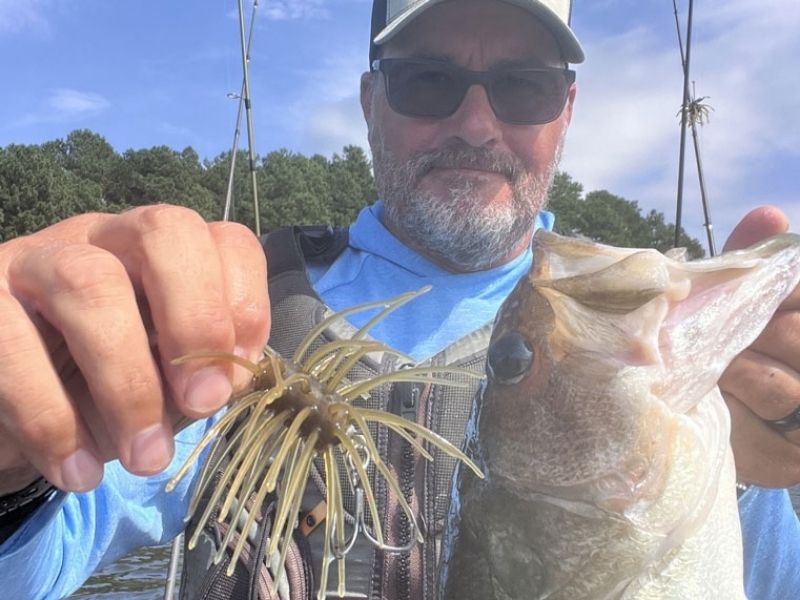
Apex Predators guide service has been taking full advantage of the cooler weather and the species diversity on their trips to the Potomac tributaries has increased in recent weeks. Before the storm blew in, their anglers were catching largemouth bass, snakehead, channel catfish, white perch, and striped bass. Most fish will be holding around receding grass beds and marsh vegetation. Largemouth are feeding aggressively as they prepare for winter, with shad, minnows, and other forage drawing them toward shallow flats, creek mouths, grass edges, and structure. Snakehead are following a similar pattern, often holding around shallow vegetation, wood, and current breaks where baitfish are concentrated. Topwater lures can still produce during warmer portions of the day, while swimbaits, spinnerbaits, and soft plastics become increasingly effective as temperatures continue to fall. As the season progresses, expect both species to spend more time around deeper water and remaining vegetation as they follow bait and adjust to colder conditions.
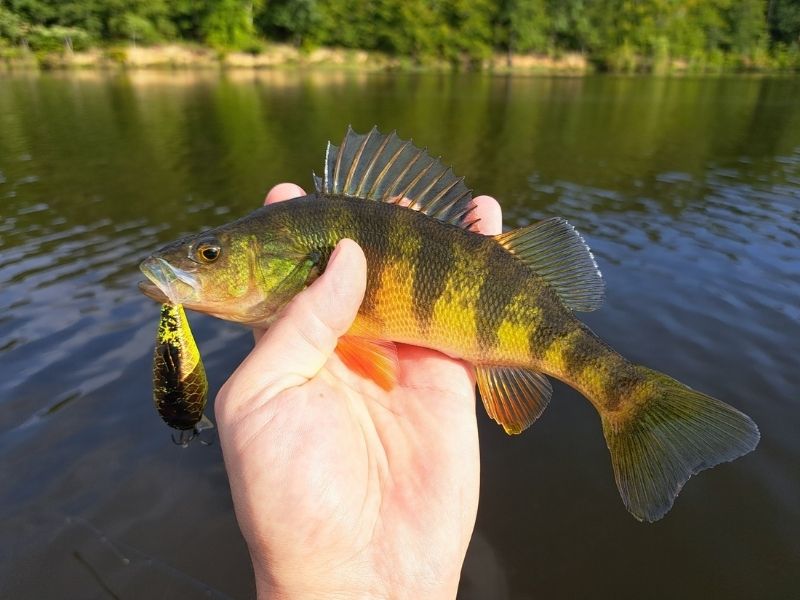
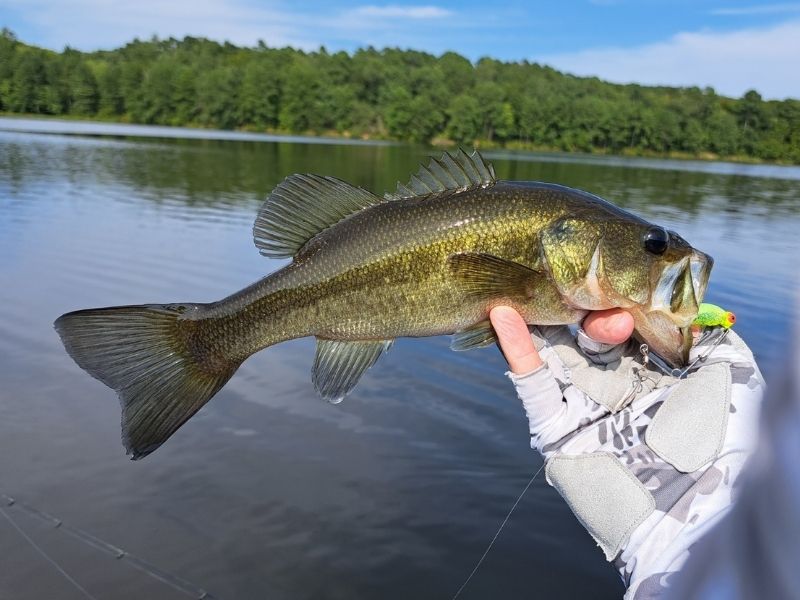
Contributor Eric Packard says bass are biting in the reservoirs, and a half day trip to St. Mary’s Lake recently produced over a dozen bass plus some crappie. A Yen urchin worked best for the bass, while a silver/black jerkbait and orange twister tails caught both bass and crappie. Fish were in eight to 12’ depths over grass or along drop-offs. Another trip to the lake yielded three missed snakehead bites and one lost next to the boat on an American Snakehead Custom froglet. He was able to catch some more bass and pickerel using a Yamamoto Uni urchin bait and a VMC Moon Eye jig with a chartreuse twister tail. Packard also hopped on a friend's boat to target walleye on the upper Potomac River, but they came up short. They only managed to catch blue catfish, which are extremely abundant in most Chesapeake Bay tidal tributaries. Small jigs with Gulp! under a slip bobber 12 feet down did the trick.
The cooler weather moving into the region is good news for trout anglers, and recent rainfall has brought better conditions to many streams that were dealing with low water. Mossy Creek Fly Fishing reports that if you are looking to get on some brook trout fishing before the spawn, this week may be a good window. The spring creek anglers should be able to enjoy some streamer fishing in the overcast weather and dry fly fishing has been good, but areas with low and clear water has made fish spooky. They also mentioned that the smallmouth have been hungry with big fish eating. Along with the better trout and smallmouth fishing that the cooler weather usually brings, musky will be back on the table as water temperatures get cool enough where it is safer to handle them. There is a lot to look forward to with fall's arrival, so make sure to get geared up to make the most of it.
Freshwater Fishing Report, September 18 Update:
Freshwater fishing remains a bit of a mixed bag, with low water making things tricky in some areas while bass and snakeheads continue to provide plenty of entertainment. The changing weather is beginning to give anglers a glimpse of what's ahead, and cooling temperatures should help shake loose some of the tougher late-summer patterns. Out west, trout anglers are also looking toward a much-needed change in conditions.
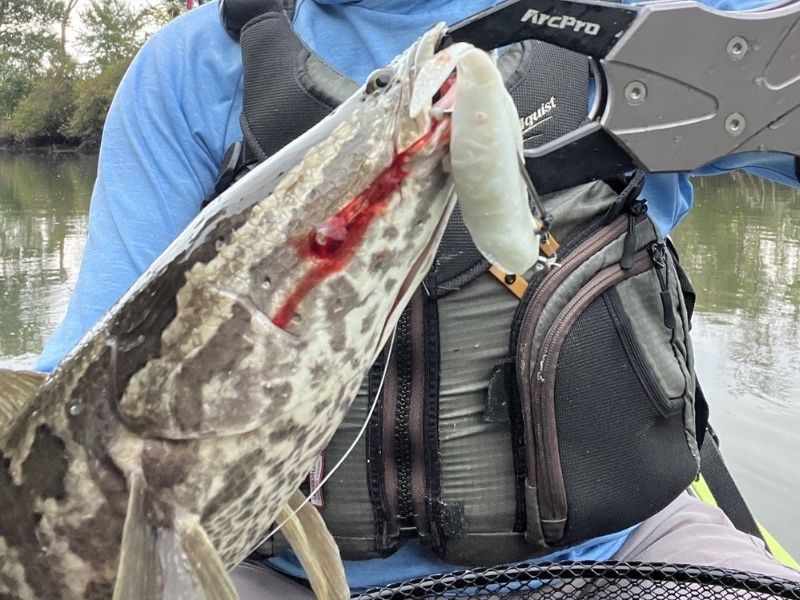
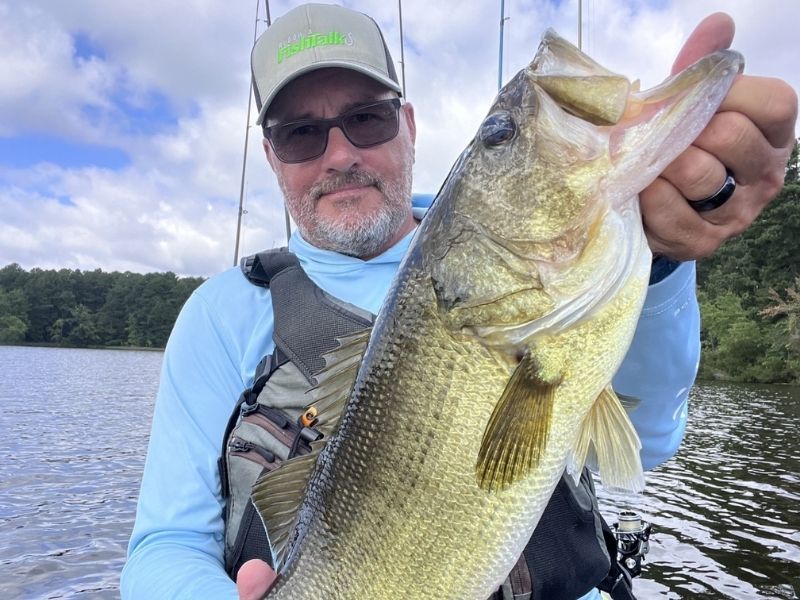
Fishtalk Contributor Eric Packard sent in several freshwater reports this week from several locations. One day he spent some time fishing a few ponds in southern Maryland. The first pond had super low water from the drought conditions over the past few years, but he did manage to catch a largemouth bass on an American Snakehead Custom froglet. The second pond was a tidal pond, so no problem with water levels, but he did not get any bites. Another day he went down to St. Mary’s Lake for a few hours and fished the lower end of the lake. He found fish in six to 11 feet of water over and along grass. Water temperatures were still hovering around 80 degrees. He caught one fish on a Rapala, then switched to an urchin bait and caught an additional 16 fish. The key to fishing the urchin bait was working it like a jerkbait. Finally, he spent a day fishing on the Patuxent River. Water temperatures were around 75 degrees, and the water was a bit stained from recent rains. The pattern that produced bites was tossing an American Snakehead Customs Froglet in Snek Flash color up against the bank, then pulling it down into the water and “walk the dog” for the retrieve. Fish were tight to shoreline and under overhanging trees, and he ended with seven largemouth bass and one snakehead.
FishTalk Contributor Adam Greenberg checked in after pond hopping around some ponds in Prince Georges County with hopes of catching a snakehead. He didn’t catch and only saw one all day while throwing around topwater frogs. Later that day, he spent the evening fishing some Annapolis area ponds with a buddy. Adam still couldn't get a bite on the frog, but his friend caught a four and a half pounder on a black and blue senko. As water temperatures begin to fall, snakeheads will gradually shift from the aggressive, shallow-water patterns of summer toward feeding heavily ahead of the colder months. Early fall can be an excellent time to target them, particularly during warm, sunny afternoons when shallow water heats up and fish move into grass, lily pads, flooded vegetation, and other areas holding bait. Topwater frogs and weedless soft plastics remain effective while water temperatures are warm, but anglers should increasingly incorporate chatterbaits, spinnerbaits, swimbaits, and other moving baits as snakeheads become more focused on baitfish. As temperatures continue dropping, look for fish to spend more time around deeper edges, creek mouths, channels, and areas with access to slightly warmer water. Slowing down presentations and working ambush points will become an increasingly effective method.
Mossy Creek Fly Fishing reports that freshwater conditions remain challenging across the Shenandoah Valley, with mountain streams running low, thus limiting brook trout opportunities. Spring creeks are also low and clear but remain cold, with Mossy Creek producing strong trico and Hex hatches that are providing some dry-fly opportunities. Bass fishing has been inconsistent in the low water, with fish feeding heavily on Hex bugs overnight and making some morning action slower. They recommend that anglers targeting bass should downsize crayfish and hellgrammite patterns in the clear conditions, while streamer anglers should have larger changer-style minnows ready as bass begin shifting toward fall baitfish patterns. A significant cool-down and increased cloud cover in the forecast for next week should improve overall activity and provide better fishing conditions heading into next week.
Freshwater Fishing Report, September 10 Update:
Most of the freshwater fish in our region are beginning to show some increased activity with slightly cooler nights. We had reports of good action in reservoirs for bass and crappie, and from the Eastern Shore for snakeheads this week. In the rivers smallmouth reports have also been good, and although some areas were encountering dirty water early in the week by the weekend water conditions should have stabilized and may set up a fantastic scenario as dropping evening temperatures put the fish in feeding mode.
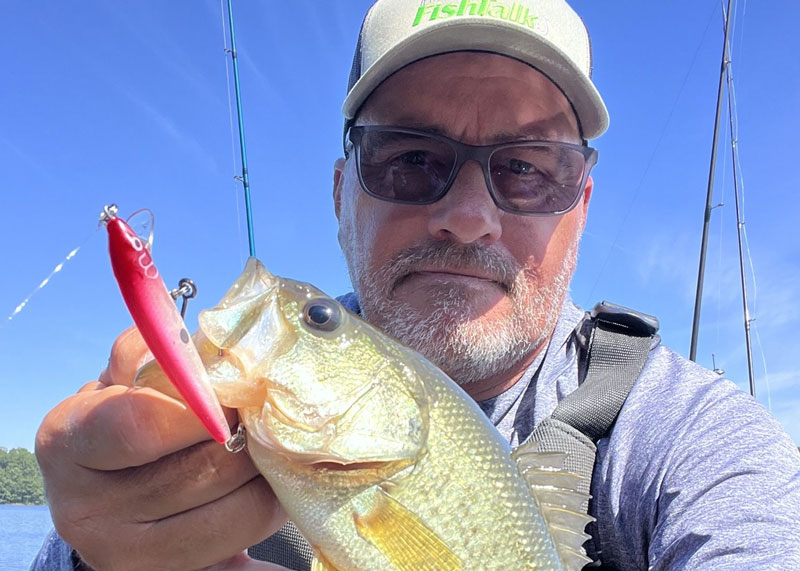
Contributor Eric Packard enjoyed several productive days at St. Mary’s Lake this week, catching solid numbers of bass and crappie plus a snakehead (yes, they’re in there, too). An urchin bait in pumpkin green was a hot offering for the bass but he also caught on jerkbaits and creature baits. We also had a subscriber check in after fishing Kerr Lake with some limited success on catfish, reeling in five during an afternoon of fishing cut bait. He noted that the water levels are unusually low and the fish were staging deep over points in 20-plus feet of water.
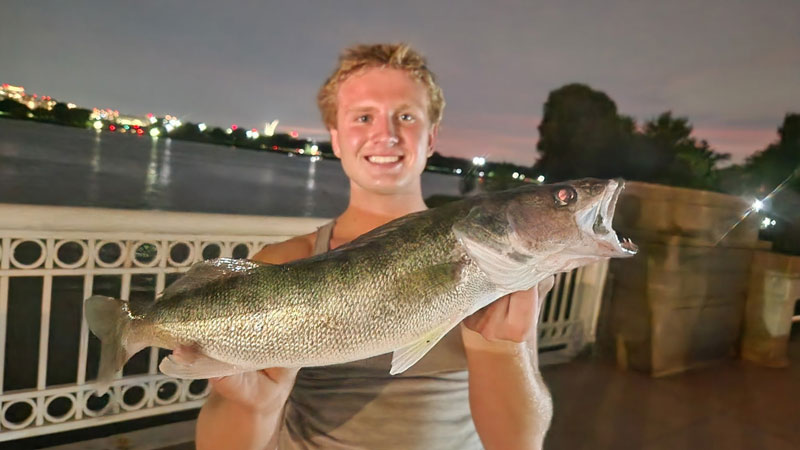
Reports of success fishing area rivers through the region picked up a notch this week; confirmed smallmouth action came from the Susquehanna and the upper Patapsco, where we also heard from a reader that the rock bass were biting. Chatterbaits and Rebel Wee Craws were top offerings. In the nation’s capital a reader checked in with a surprise catch from the Tidal Basin—they caught a big walleye just after sunset while fishing near a log jam at one of the bridges around the basin.
The Eastern Shore tribs have been producing snakehead action in recent days, though it does sound like they’re hitting on and off. One friend of FishTalk reported catching four on a recent trip to the Chick but another only got a single snake in an afternoon of fishing hard. Casting deep in the foliage with frogs and mice provided the best results on high water, while an angler who caught a half-dozen on low water said chatterbaits and subsurface lure were working along the channel edges.
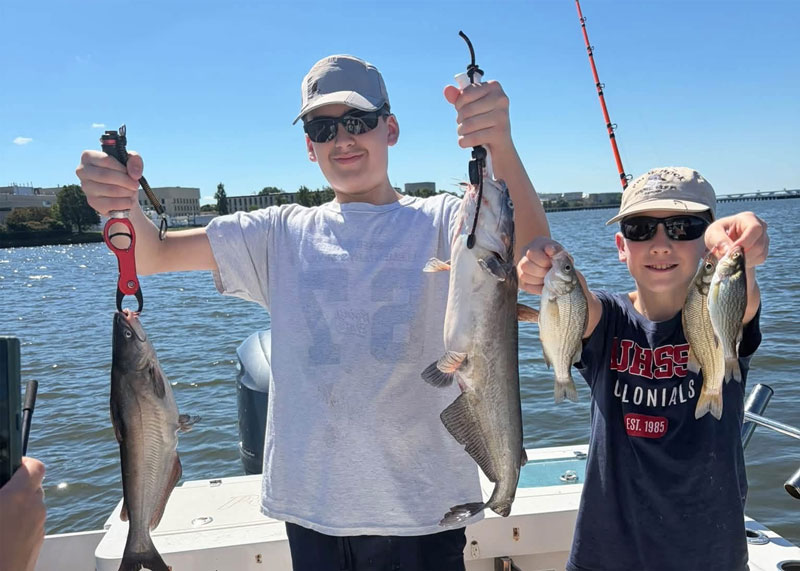
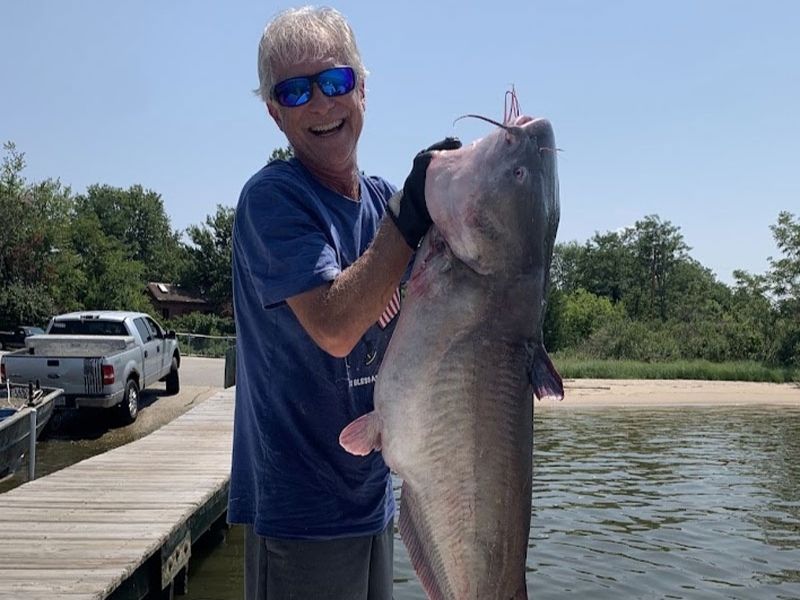
Captain Seth Nighswonger from Fish The Potomac charters reports that the blue catfish bite is picking up on the Potomac River in Washington, D.C. The bigger fish are getting more active as there has been some cooler weather dropping water temperatures. Recent trips have produced a mixed class of fish with some 15 pounders offering fun action and occasional fish over 20 pounds putting big bends in rods. They have also found some keeper white perch while bottom fishing north of the Woodrow Wilson Bridge.
Freshwater Fishing Report, September 4 Update:
Summer patterns are still producing across the region, with bass, pickerel, and other species active around submerged vegetation and shoreline structure. Snakehead remain a good option in the tidal tributaries while water temperatures stay warm, particularly around emergent vegetation and SAV. Mountain trout fishing is best on spring creeks, where Tricos are producing in the mornings and terrestrials such as beetles, ants, hoppers, and crickets take fish through the afternoon.
A subscriber sent in a report after they fished St. Mary’s Lake this week. They fished from midafternoon until around sunset and found fish near submerged weed beds. They caught 20 largemouth bass, seven pickerel, one crappie, one bluegill, and one yellow perch. None of the fish were particularly large, but one of the pickerel was a chunky 22.5-incher. Several lures got bites including a squarebill crankbait, beetlespin, texas rig, and they even caught a few on a topwater Torpedo. Another reader sent in a report after fishing a southern Maryland Lake and said that their fishing was on the slower side. They were targeting crappie and bass, which they said are usually plentiful at this lake, but struggled to get bites. They caught four crappie up to 12” on live minnows and caught half a dozen bass while throwing soft plastic creature baits up to fallen trees along the bank. They mentioned that the water felt very warm, so that may have been why the fish weren't as active.
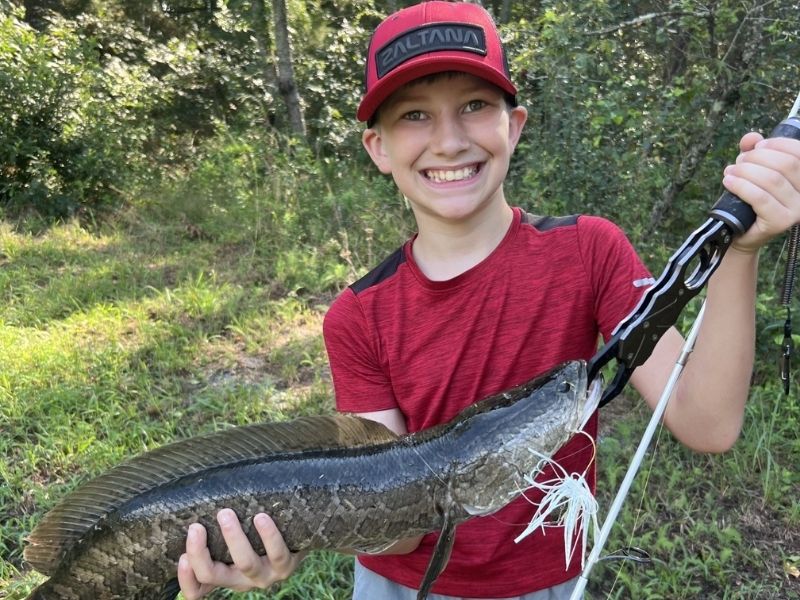
FishTalk Contributor Eric Packard sent in a freshwater report this week in between his trips to tidal water. Last weekend, he took his grandson out to target snakehead along the Patuxent River corridor. They fished a pond close to the river, and he sent him out with a chatterbait. After a few casts, he called over to say that he had hooked up. The fish came out of the water several times, but it was eventually subdued. Packard helped him land the fish that ended up being a 24”, nearly four-pound snakehead. September will be the last month of somewhat stable weather before fall cold fronts start to move into the region. Take advantage of the warm weather while it lasts, because cooling water temperatures will slow down snakehead activity. We are still getting good reports from the Potomac River tributaries including Aquia Creek, Potomac Creek, and a few from Mattawoman Creek. Apex Predators Guide Service reports that the Virginia tributaries of the Potomac area producing a mix of species. On recent trips, they have caught snakehead, largemouth bass, blue catfish, white perch, and striped bass. The bass and snakeheads are hanging close to emergent vegetation and areas with large SAV beds.
Mossy Creek Fly Fishing reports that recent storm flows are receding, and most local rivers are returning to their normal summer base flows. Anglers looking for higher water can still find elevated levels in the North Fork of the Shenandoah drainage north of Harrisonburg, while the Dry River, Skidmore Fork, and larger East Slope streams in Shenandoah National Park may offer a few more days of fishable flows. For trout, the spring creeks remain the best bet, with fish feeding actively on dry flies for much of the day. Tricos are producing during the morning, followed by beetles, ants, hoppers, crickets, and Hex mayflies through the afternoon and evening. Small, naturally presented terrestrials are particularly effective in the low, clear water, so lighter tippets and longer leaders can help when targeting wary fish. Keep a few streamers handy as well, particularly ahead of any rain later this week, when rising water can trigger trout to move and feed aggressively. Overall, mountain trout fishing should improve significantly once cooler temperatures and meaningful rainfall return, while the spring creeks should provide the most consistent action in the meantime.