Way South Fishing Reports
Way South Chesapeake Bay Fishing Report, October 22 Update:
Striped bass fishing is heating up in the Norfolk-area tributaries, with slot fish and some larger stripers available around docks, bridges, and lights. Speckled trout are also becoming more active as water temperatures fall, while big spot are still available from public piers near Norfolk—but that bite won't last much longer. Shrimp are still keeping the trout interested, although the larger shrimp are beginning their migration out of the Bay.
The storms off the coast are continuing to hammer the area with windy conditions, which has made getting out on the big water a challenge this week. High tides have also been associated with the offshore storm, which can affect the bite as well. If we had to pick though, we would rather have high water than low water as it gives us access to plenty of shallow water spots where fish could be feeding. The rockfish bite has picked up significantly in the Way South tidal tributaries, especially around Norfolk, Newport News, and Portsmouth. Water temperatures have fallen into the 60s, and fish are feeding throughout most of the day during periods of moving water. The Elizabeth River has been a hotspot with anglers catching fish throughout the river near deeper docks and bridges during the day. During low-light conditions and at night, stripers have been feeding along marsh edges and around docks with lights and areas of the river illuminated by building/bridge lights. There seem to be plenty of slot-sized fish around, and we have even seen a few reports of fish around the 30” mark caught recently. Over on the James River, stripers are feeding on the edges of the bridge lights at night near the Monitor Merrimac Bridge Tunnel and the James River Bridge. A few anglers fishing from the fishing pier next to the bridge on the Newport News side of the bridge caught some stripers on cut bait this week. Docks along the main stem of the James and the surrounding tribs have been reliable for anglers casting paddletails up to the pilings. The bite should remain good for several more weeks.
As water temperatures continue to fall, the speckled trout bite continues to heat up. The story this fall has been that there are small speckled trout just about everywhere. Rudee Inlet, Lynnhaven Inlet, Broad Bay, Elizabeth River, James River, and Mobjack Bay are all holding small speckled trout near grass beds, creek mouths, shallow flats near drop-offs, and in marshy areas. Shrimp are still in the area, though the bigger shrimp are on the move and are starting to migrate out of the Bay, so they won’t be in the tributaries for too much longer. While they are around, the speckled trout are keyed in on them, so soft plastic shrimp lures are an excellent bait choice right now. Some bigger speckled trout are also starting to show up, and we saw some reports of keepers coming from the Elizabeth River this week. It is still a game of weeding through the small fish, but it is good to know some keepers are moving in.
Bottom fishing remains productive in the Way South region, particularly around Norfolk and the mouth of the Bay, where anglers fishing from public piers are catching some big spot. These fish are providing plenty of action for those soaking bloodworms or FishBites, but the window for targeting them is closing as water temperatures continue to drop. Big spot will gradually move out of the area as colder weather settles in, so anglers hoping to fill a cooler with these tasty panfish should take advantage of the bite while it lasts.
Way South Chesapeake Bay Fishing Report, October 16 Update:
Cooling water temperatures are improving the striped bass and speckled trout fisheries throughout the Way South, although both remain more structure-oriented and scattered than the major open-water bites farther north. Puppy drum are beginning to appear in the tributaries on cut mullet, while the fall shrimp run remains strong in the lower James, with cast-netters finding good numbers around marsh edges and creek drop-offs.
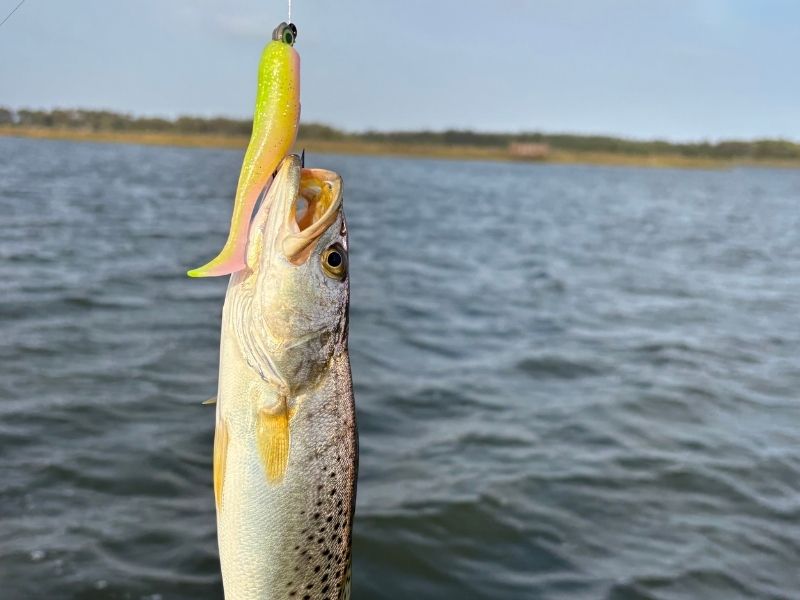
Striped bass are getting more active in the shallows of the rivers and creeks around Newport News and Norfolk as water temperatures are slowly dropping. Anglers shouldn’t necessarily expect the classic fall blitzes and widespread bird activity seen in other parts of the Bay. In this region, rockfish tend to relate more closely to structure, with docks, bridge pilings, riprap, marsh edges, and deeper channel edges attracting fish. Paddletails, jerkbaits, and topwaters can be effective during low-light periods, while fishing tight to dock pilings and working lures through the shade under larger dock platforms can produce during the day. The Elizabeth River, lower James, and other major tributaries are good places to start, and night anglers should pay particular attention to bridges and areas with artificial lighting, where bait and stripers can concentrate. There were some reports from around the Hampton Roads Bridge Tunnel and James River Bridge of some stripers up to 30” being caught in the evenings and at night. We also saw a report from an angler who caught a few eater-sized black drum while soaking baits near the James River Bridge.
Puppy drum are starting to show up more consistently in the Way South tributaries, although the bite is still scattered rather than a full-blown run. Anglers fishing the Elizabeth, James, and other tidal rivers are picking up a few pups while targeting other shallow-water species, with cut mullet producing some of the better bites. Most of the fish seem to be spread out rather than concentrated in large schools, so covering water and working creek mouths, marsh edges, shallow flats, and deeper pockets near moving current is still the best approach. The cooling water should continue to push more puppy drum into the tributaries over the coming weeks, and with bait and shrimp plentiful throughout the area, we expect the bite to improve as fall progresses.
The speckled trout bite has been reliable for numbers, but finding a keeper has been the challenge. Reports from around the lower James, Elizabeth River, Lynnhaven, Rudee Inlet, and other Virginia Beach tributaries continue to show plenty of small specks, with anglers often catching several fish while working grass edges, creek mouths, docks, and flats. Recent reports have also shown a few better fish mixed in, including some trout in the 17- to 20-inch range around the lower James River. As water temperatures continue to fall, look for specks to become increasingly concentrated around bait in shallow areas, particularly where moving water meets structure or grass. Small paddletails, shrimp imitations under popping corks, and topwaters can all produce, but covering water until you locate an active school is key. Most of the fish being reported are still undersized, so anglers specifically looking for a keeper should concentrate on areas holding larger bait and experiment with slightly larger offerings or topwater plugs, which can help weed out some of the smaller trout.
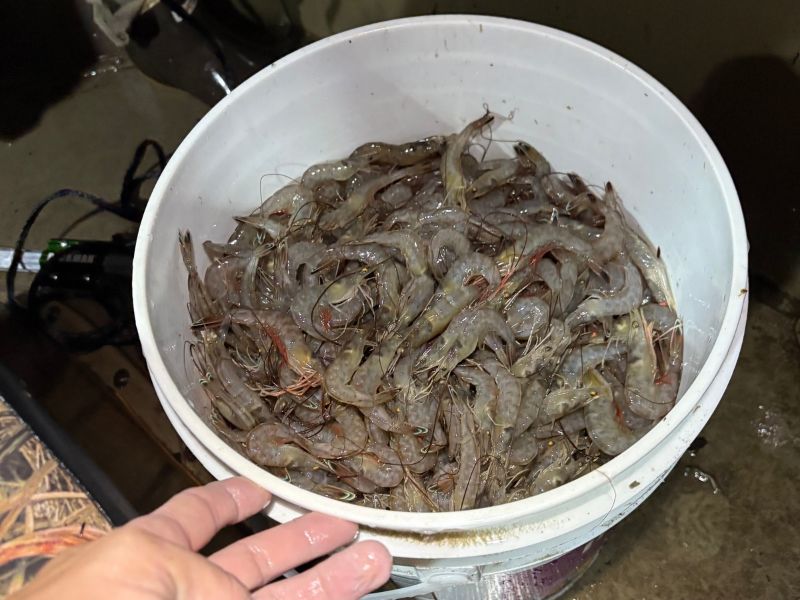
Shrimping report - Reports Editor Dillon Waters made it down to the lower James River to search for some shrimp before they leave the Bay for the year. He and his brother went into a marsh creek that had varying depths of two to 10 feet of water. Shrimp were visible popping along the marsh edges, so they set some bait along drop-offs in two to four feet of water. The shrimp were quick to gravitate to the baits and over the next three hours they were able to cast net a limit of shrimp, though they were on the smaller to medium side with some big ones mixed in. The bait worked best on a moving tide and the grade of shrimp got better after the sun set.
Way South Chesapeake Bay Fishing Report, October 9 Update:
The Way South is starting to see its own version of Rocktober, with striped bass activity picking up in the James and Elizabeth Rivers as temperatures fall. Speckled trout continue to provide plenty of action in the tidal tributaries, while bull red drum are making their seasonal move around the mouth of the Bay. There's a lot of variety available right now, and the next few weeks should offer some excellent late-fall opportunities before the migration really gets underway.
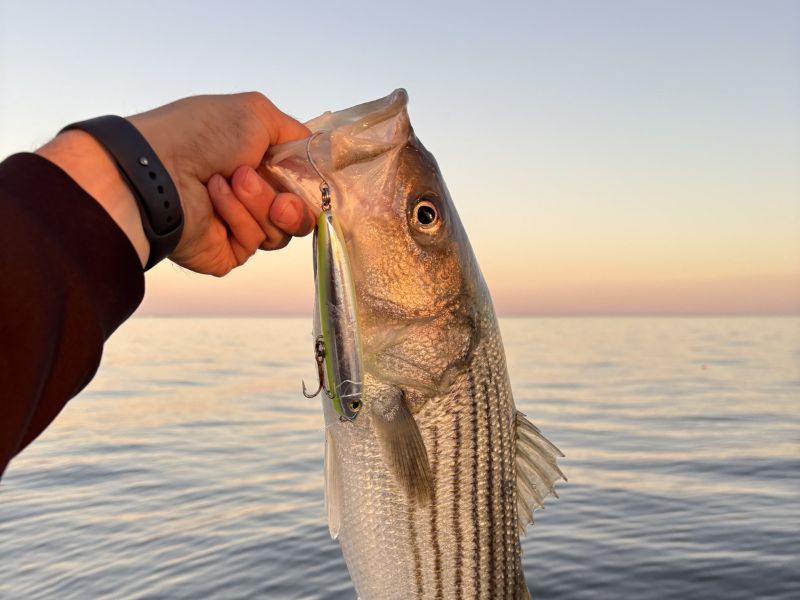
October has brought cooler temperatures to the region, and we are seeing striped bass activity pick up in the Way South tidal rivers. Our best reports have been from the lower James River and Elizabeth River. An angler fishing shoreline structure on the James reported that the stripers have been related to long docks, rock jetties, and underwater riprap. Casting paddletails to docks has worked well, but not all docks have fish. What you want to look for is long docks with a larger platform on the end and at least four to eight feet of water. On bright sunny days, fish often sit in the shade under the platforms at the end of docks, but can also be caught working down the pilings towards the shoreline. In the Elizabeth River, the deeper channels, docks, and bridge structure are typically where you can find stripers this time of year. The night bite can be good too, especially in areas of the river where water is illuminated by bridge or building lights.
The future of the speckled trout fishery looks bright as small specks in the 10” to 13” range continue to be caught across the tidal tributaries. We have reports of anglers catching them in Rudee Inlet, Lynnhaven Inlet, Elizabeth River, James River, and around Poquoson. Some keeper specks are mixed in, but the bulk of the fish in the area right now are not keepers. The good news is that most of these fish should be keepers next year if they can make it until then. Nonetheless, they are still fun to catch and popping corks paired with soft plastics on 1/8th ounce jigheads have been working well over grass beds. There are some shrimp in the area, so soft plastic shrimp imitations should be effective. Small three to five-inch paddletails are also working well when casting and steadily retrieving over the grass or along marsh edges.
Bull red drum are starting to make their move around the mouth of the Chesapeake Bay, and this is a great time of year to chase them before they head south for the winter. As the water cools, look for big reds around the inlets, shoals, deeper channels, and areas of structure where strong current is pushing bait around like the CBBT. Large paddletails and swimbaits, bucktails, and spoons are all good choices for casting around current seams and structure, while fresh-cut or live bait fished on the bottom can be tough to beat when the fish are holding deeper. The key is finding moving water and bait, then putting your offering in front of the fish as they stage along the current. These late-season bull reds are some of the biggest and hardest-fighting fish of the year, so now is the time to get out there and take advantage of the action before they make their annual migration south.
Way South Chesapeake Bay Fishing Report, October 2 Update:
There is still plenty of life around the mouth of the Bay, but some of the summer visitors are beginning to pack their bags. Bull reds, bluefish, cutlassfish, and other seasonal players remain available, while tautog, sheepshead, shrimp, and inshore gamefish are keeping things interesting. Cooling water should continue to reshape the fishery through October, making this a good time to take advantage of the remaining warm-water opportunities before the options begin to narrow.
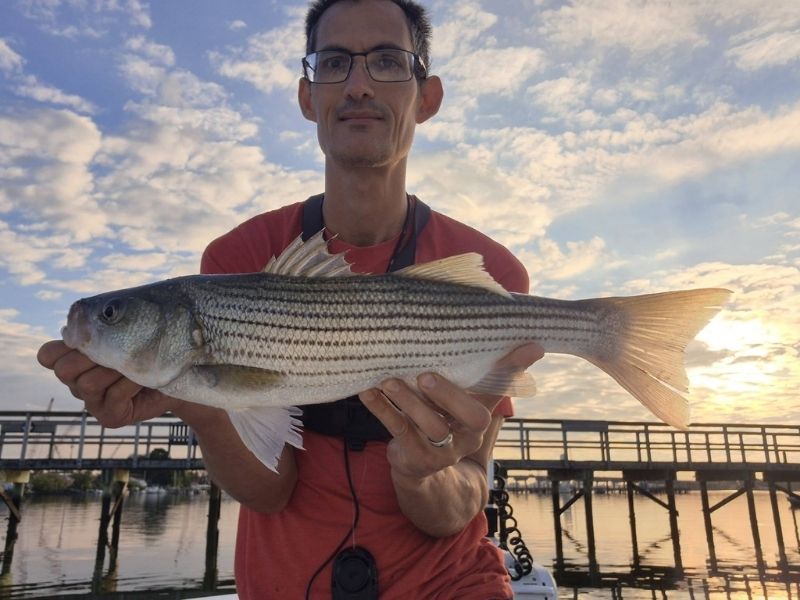
The fishing at the Chesapeake Bay Bridge Tunnel is still diverse, but we are starting to see some of our seasonal migrators getting ready to exit the Bay for the fall. The rock islands and bridge pilings are still holding some schools of bull red drum, but they will only be around in numbers for a few more weeks. The sheepshead bite has been slow recently, but there are good numbers of mostly undersized tautog willing to hit squid and crab baits. We also had reports that there were thick schools of cutlassfish within the vicinity of the fourth island this week, but they too will move out soon. Bluefish are still around as well and can be found close to bridge structure and around the shoals and channels at the mouth of the Bay feeding on schools of menhaden. These opportunities will be around this month, but come November, fishing opportunities will be more limited.
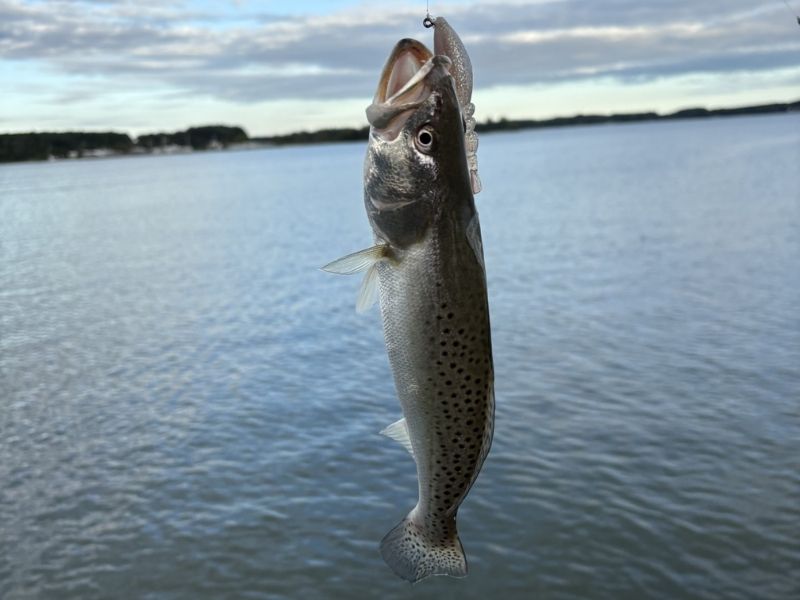
Shrimp are plentiful in the Way South region tidal tributaries including the James River, Elizabeth River, Lynnhaven Inlet, Rudee Inlet, and the various other tidal creeks and bays. During the day, the shrimp may school up in deeper channels, but in low light hours and at night, they typically move into the shallows over mud flats and near marsh banks. Speckled trout, striped bass, and red drum key in on these shrimp as a food source this time of year, so it is a good idea to cast around some shrimp soft plastics or even try to net some for bait. The shrimp should be around for the next month or so but will school up and start leaving the tributaries by early November. They can be found around mud flats, grass beds, oyster bottom, and a variety of other habitat right now, but later in the fall they will concentrate around mud flats. Bright colored soft plastics work well in muddy water, but once the water cleans up, natural colors seem to be more effective for inshore gamefish. An angler fishing somewhere on the James River reported catching several rockfish up to 22” and a bunch of small speckled trout during a recent trip. Their largest trout was around 14”, which echoes similar results from other reports in nearby tributaries.
A subscriber spent a few days fishing around the lower Eastern Shore of Virginia this week. One day, he spent some time fishing around Fisherman’s Island. The tide was extremely high and most of the marshes that are usually high and dry were totally flooded. Fish were not widespread, but he found a couple schools of small trout in the 10” to 13” range on some flats and channel edges up in the marshes. He caught 27 small specks, and two other anglers did about the same. On day three, they headed to the concrete ships at Kiptopeke. Unfortunately, the fishing “sucked”. He and his friends spent several anglers fishing with bait around the ships and only caught a handful of small junk fish, including pigfish, lizardfish, toadfish, silver perch, sea bass, and kingfish. They also tried jigging for flounder using Gulp!, and only caught one undersized flounder. They talked to other anglers on the water who were having the same kind of luck. The final day (yesterday) they focused on sheepshead at the CBBT with Southern Reels Sportfishing, and saw plenty of fish on the Livescope, but only a fraction were willing to bite. Captain Jesse mentioned that the fish were in different spots than they had been before the storm. They boated four nice fish up to 24" and lost a few more boatside. It’s hard to say why the fishing was so tough, but the shake up from the Nor’Easter surely may have had something to do with it.