Way South Chesapeake Bay Fishing Report, October 2 Update:
There is still plenty of life around the mouth of the Bay, but some of the summer visitors are beginning to pack their bags. Bull reds, bluefish, cutlassfish, and other seasonal players remain available, while tautog, sheepshead, shrimp, and inshore gamefish are keeping things interesting. Cooling water should continue to reshape the fishery through October, making this a good time to take advantage of the remaining warm-water opportunities before the options begin to narrow.
The fishing at the Chesapeake Bay Bridge Tunnel is still diverse, but we are starting to see some of our seasonal migrators getting ready to exit the Bay for the fall. The rock islands and bridge pilings are still holding some schools of bull red drum, but they will only be around in numbers for a few more weeks. The sheepshead bite has been slow recently, but there are good numbers of mostly undersized tautog willing to hit squid and crab baits. We also had reports that there were thick schools of cutlassfish within the vicinity of the fourth island this week, but they too will move out soon. Bluefish are still around as well and can be found close to bridge structure and around the shoals and channels at the mouth of the Bay feeding on schools of menhaden. These opportunities will be around this month, but come November, fishing opportunities will be more limited.
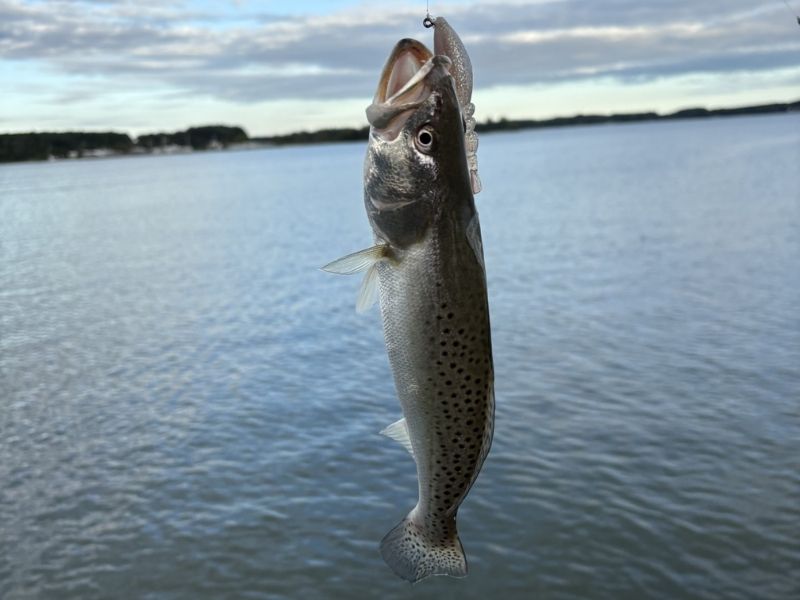
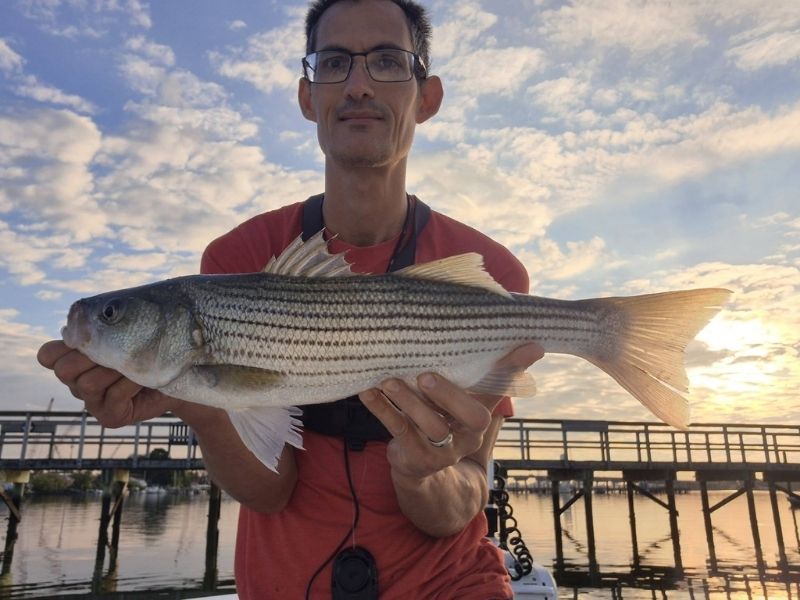
Shrimp are plentiful in the Way South region tidal tributaries including the James River, Elizabeth River, Lynnhaven Inlet, Rudee Inlet, and the various other tidal creeks and bays. During the day, the shrimp may school up in deeper channels, but in low light hours and at night, they typically move into the shallows over mud flats and near marsh banks. Speckled trout, striped bass, and red drum key in on these shrimp as a food source this time of year, so it is a good idea to cast around some shrimp soft plastics or even try to net some for bait. The shrimp should be around for the next month or so but will school up and start leaving the tributaries by early November. They can be found around mud flats, grass beds, oyster bottom, and a variety of other habitat right now, but later in the fall they will concentrate around mud flats. Bright colored soft plastics work well in muddy water, but once the water cleans up, natural colors seem to be more effective for inshore gamefish. An angler fishing somewhere on the James River reported catching several rockfish up to 22” and a bunch of small speckled trout during a recent trip. Their largest trout was around 14”, which echoes similar results from other reports in nearby tributaries.
A subscriber spent a few days fishing around the lower Eastern Shore of Virginia this week. One day, he spent some time fishing around Fisherman’s Island. The tide was extremely high and most of the marshes that are usually high and dry were totally flooded. Fish were not widespread, but he found a couple schools of small trout in the 10” to 13” range on some flats and channel edges up in the marshes. He caught 27 small specks, and two other anglers did about the same. On day three, they headed to the concrete ships at Kiptopeke. Unfortunately, the fishing “sucked”. He and his friends spent several anglers fishing with bait around the ships and only caught a handful of small junk fish, including pigfish, lizardfish, toadfish, silver perch, sea bass, and kingfish. They also tried jigging for flounder using Gulp!, and only caught one undersized flounder. They talked to other anglers on the water who were having the same kind of luck. The final day (yesterday) they focused on sheepshead at the CBBT with Southern Reels Sportfishing, and saw plenty of fish on the Livescope, but only a fraction were willing to bite. Captain Jesse mentioned that the fish were in different spots than they had been before the storm. They boated four nice fish up to 24" and lost a few more boatside. It’s hard to say why the fishing was so tough, but the shake up from the Nor’Easter surely may have had something to do with it.