Freshwater Fishing Reports
Freshwater Fishing Report, November 12 Update:
Late fall is bringing a variety of freshwater opportunities, from largemouth bass and smallmouth action to trout, pickerel, and catfish. Bass are feeding around deeper structure in lakes and ponds, while some river smallmouth are still cooperating on a variety of presentations. Trout anglers should focus on spring creeks and Delayed Harvest waters, and the upcoming cold snap could help kick several fisheries into a more active late-fall pattern.
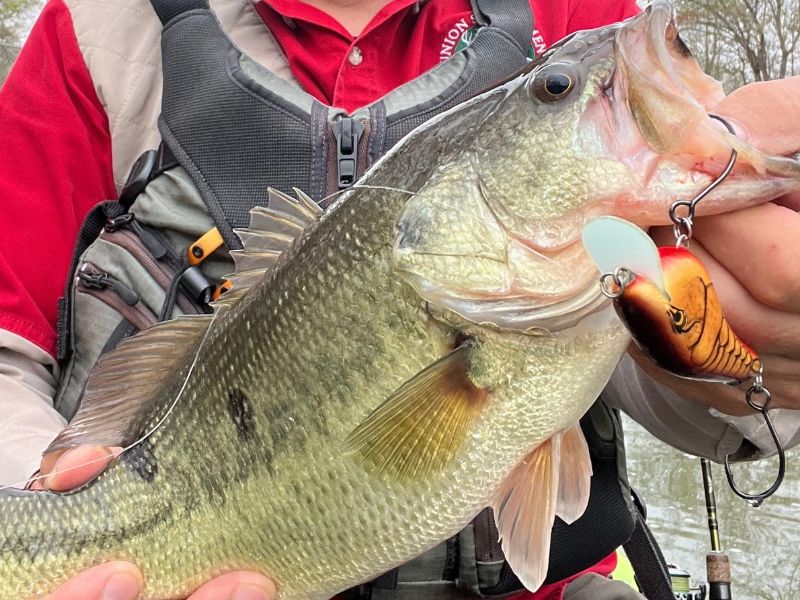
A subscriber fishing in the Madness on the Marshyhope reported that the blue cats were surprisingly finicky after the front pushed through last weekend and bites were few and far between. While blue catfish normally bite with abandon, they are known to sometimes go into a funk with weather that brings significant pressure changes, but by the time this weekend arrives, they should be back into their usual form. They also noted that bass, some pickerel, and yellow perch were all hitting a bit better with minnow working well as bait. A reader fishing in the upper North East river was catching catfish just a day later.
A reader fishing a central Maryland farm pond reported catching a few bass up to four pounds using a broken back swimbait. Late fall can offer some excellent largemouth bass fishing in lakes and ponds, as cooling water temperatures put bass into feeding mode. Look for fish transitioning away from shallow summer haunts and concentrating around deeper points, creek channels, and the edges of remaining vegetation. On sunny afternoons, don't overlook shallow flats, especially those with dark bottoms that warm quickly and attract baitfish. Lipless crankbaits, spinnerbaits, and chatterbaits are great search baits for covering water, while suspending jerkbaits and finesse worms can be effective when bass are less willing to chase. Jigs and Texas-rigged soft plastics are also worth working slowly around laydowns, docks, and submerged wood. Smallmouth bass have also been active in several of our freshwater rivers across the region. An angler fishing on the Monocacy reported that the patterns have varied from day to day, and covering water has been a big factor for finding pockets of fish. The top producing lures recently have been poppers, swimbaits, and ned rigs.
Mossy Creek Fly Fishing reports that with dry conditions and plenty of sunshine in the forecast, Virginia's freshwater anglers may want to focus on spring creeks and Delayed Harvest stocked waters, which are less dependent on recent rainfall. Delayed Harvest streams should offer the most consistent trout opportunities, with attractor nymphs, squirmy worms, egg patterns, and brightly colored flies all worth having in the rotation. Streamers can also produce when targeting larger fish. On Mossy Creek, brown trout are beginning their spawning season, so anglers should take care to avoid disturbing spawning fish. Buffalo Creek, Beaver Creek, and the South River are holding decent flows, but rainbow trout have become spooky and are feeding primarily on nymphs, making stealthy approaches and lighter presentations important. Brook trout anglers should leave paired-up fish undisturbed. Smallmouth action has slowed with overnight temperatures dipping into the upper 20s and low 30s, while musky fishing on larger rivers remains productive, although falling leaves can make presenting flies to fish a game of patience. To get the most up to date trout stocking information, make sure to visit the Virginia DWR trout stocking website and the Maryland DNR trout stocking website.
Freshwater Fishing Report, November 6 Update:
Late-fall bass patterns are developing across the region, with largemouth increasingly relating to deeper structure and baitfish. Crappie are beginning to school around submerged cover, while recently stocked trout are providing another option, including reports of some surprisingly large fish coming from local ponds.
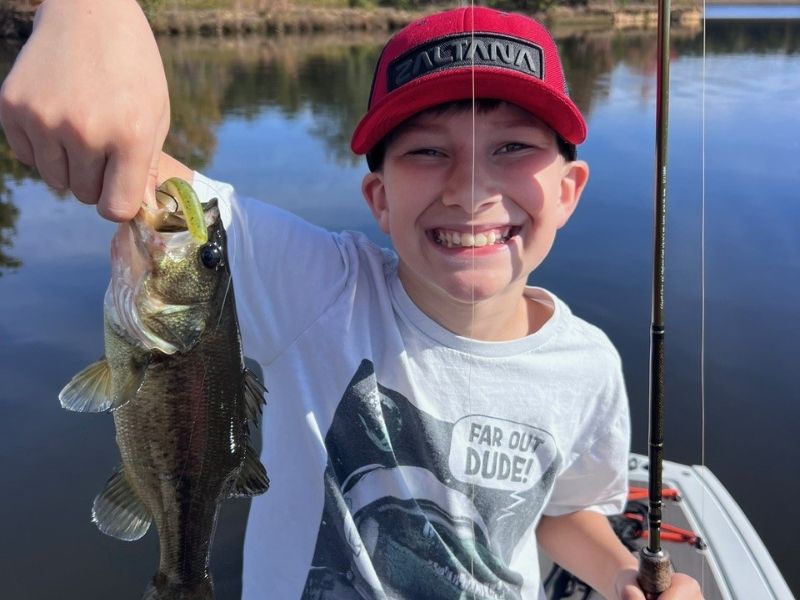
Freshwater bass fishing across the DMV is settling into classic late-fall patterns, with largemouth increasingly focused on baitfish as cooling water temperatures push them toward deeper structure and nearby wintering areas. Where to find fish will vary depending on your body of water, but you will want to look for fish around creek mouths, channel edges, submerged grass, docks, and deeper points, particularly where schools of bait are present. Spinnerbaits, chatterbaits, and lipless crankbaits are excellent choices for covering water and triggering reaction strikes, while swimbaits and underspins can be productive when bass are keyed in on schools of shad. On tougher days, slow things down with a football jig, shaky head, or Texas-rigged soft plastic worked along deeper transitions and around isolated cover. Don't overlook shallow water during warmer afternoons, either, as bass will still move up to feed when conditions are favorable. Contributor Eric Packard checked in after visiting St. Mary’s Lake with his grandson. They caught some largemouth bass and pickerel on wacky rigged urchin baits. Two of the pickerel were caught on a Rapala jerkbait.
Panfish action is a good option across the region as crappie begin schooling up around deeper structure with cooling water temperatures. St. Mary's Lake, Piney Run Reservoir, Liberty Reservoir, and the Eastern Shore millponds are all worth exploring, with anglers finding fish around submerged timber, brush piles, bridge pilings, and the deeper edges of weed beds. Try working 1/16- to 1/8-ounce jigheads paired with small two-inch tube jigs or curly-tail plastics in white, chartreuse, and red-and-white patterns. Live minnows fished beneath a slip bobber are another excellent choice, particularly when fish are suspended and reluctant to chase artificials. Bluegill and other sunfish can still provide plenty of action in smaller ponds and around shallow cover, especially during warmer afternoon hours. Light tackle and small jigs or pieces of worm under a bobber will keep the rods bending.
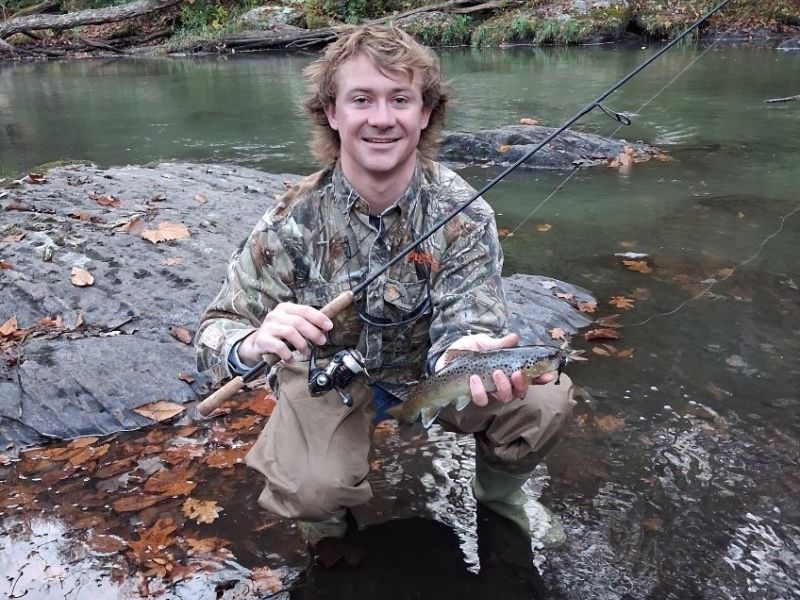
FishTalk contributor Adam Greenberg checked in with a report this week after targeting some trout. He and a friend went to the northern part of the state. Adam was determined to stick with the fly rod, casting elk hair caddis and nymphs, but couldn’t come tight. His friend was casting around a small black soft plastic on a spinning rod and caught two brown trout. Maryland DNR completed their fall stockings, wrapping up with locations in southern Maryland. Reports from anglers in the southern region of the state showed that the trout bite was slow, but the ones that are biting are big. One reader checked in and said they caught three from a local pond during an afternoon this week, and all were around 16”. Another reader fishing a different pond said they only caught a few fish on Berkley mouse tails, but they were big too. What worked best was rigging the mouse tails about two feet under a bobber, then casting in the vicinity of rising fish. They tried casting spinners, but the trout didn’t show any interest. There should still be plenty of stocked trout in locations across the state, providing a great freshwater angling opportunity for the next few weeks. To get the most up to date trout stocking information, make sure to visit the Virginia DWR trout stocking website and the Maryland DNR trout stocking website.
Bonus intel: There's a new premium access subscribers only video to check out: Secrets of Lenny's Tacklebox.